














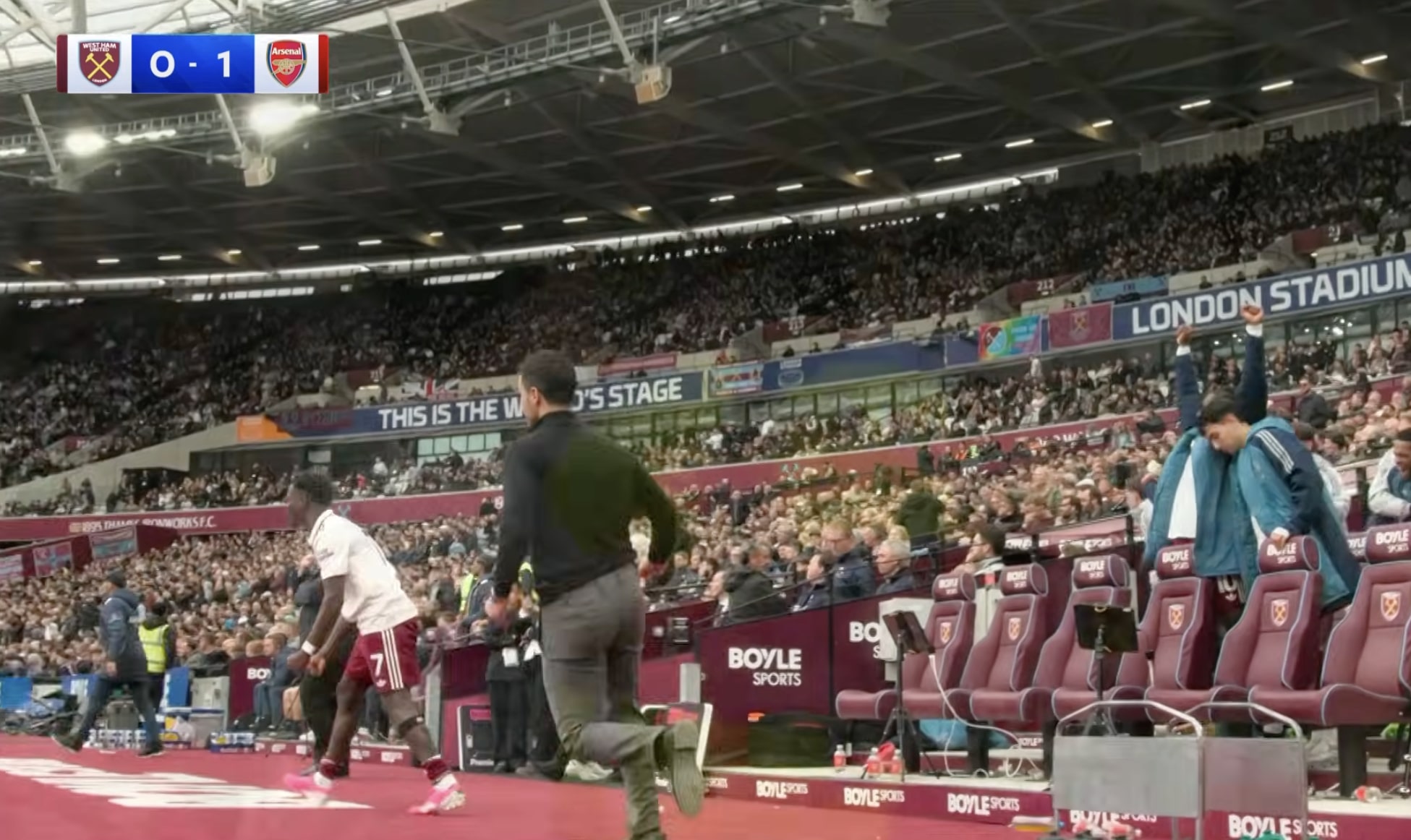

Arsenal narrowly avoided a catastrophic blow to their title aspirations on Sunday, securing a victory that felt more like a frantic escape than a calculated triumph. While the three points remain on their tally, the manner of the win—defined by a dramatic late VAR intervention—highlighted a team struggling with self-inflicted pressure. The match reached its boiling point when Callum Wilson appeared to have snatched a late equalizer for West Ham, only for a lengthy review to determine that Pablo had obstructed goalkeeper David Raya’s ability to defend the cross. It was a moment that could have fundamentally altered the trajectory of both the title race and the battle against relegation.
The Impact of Controversial Officiating Decisions
The decision to disallow Wilson’s strike came after a grueling four-minute assessment and 17 replays at the pitchside monitor. Mikel Arteta, often a vocal critic of officiating, was quick to praise the clarity provided by the VAR team. He noted that despite the high-pressure environment and the chaotic nature of the penalty area, the officials identified what he considered an obvious error. For Arteta, the decision was a matter of historical significance for two clubs fighting for vastly different objectives. However, Nuno Espirito Santo voiced the frustration shared by many in the league, citing a lack of consistency. He argued that the “wrestling” and blocking seen during set pieces have become so commonplace that neither players nor managers truly understand where the line for a foul is drawn anymore.
Tactical Disruptions and Positional Shifts
Arsenal’s dominance in the opening quarter was undermined by a series of defensive injuries that forced Arteta into uncomfortable tactical adjustments. Following an early exit for Ben White and a halftime withdrawal for Riccardo Calafiori, the Gunners’ rhythm faltered. The decision to move Declan Rice—arguably the world’s premier midfielder—to right-back was particularly jarring. This shift allowed West Ham to find space on the flanks, with Crysencio Summerville and Matheus Fernandes exploiting the lack of balance in Arsenal’s makeshift backline. It took a world-class save from Raya, a three-time Golden Glove winner, to prevent West Ham from taking the lead during their most dominant spell.
The Evolution of Set-Piece Strategy
There is a profound irony in how the match concluded. Arsenal has spent several seasons perfecting the art of the “meat wall”—crowding the six-yard box to disrupt opposing goalkeepers. This strategy, pioneered by specialists like Nicolas Jover, has been a cornerstone of their success. On Sunday, West Ham attempted to use Arsenal’s own playbook against them. The disallowed goal was the result of a West Ham block that was perhaps just slightly too aggressive compared to the subtle interference Arsenal usually employs. While the Gunners have recently moved away from the most blatant blocking tactics in European competition, they remain the standard-bearers for set-piece chaos, a trend that nearly backfired on them in East London.
Individual Brilliance Amidst Team Struggles
When the system faltered, individual quality rescued the title contenders. Martin Odegaard, returning to full influence, took control of the match in its closing stages. His vision proved the difference; despite the physical toll of a long season, the captain delivered a perfectly timed pass to Leandro Trossard, who clinical finish gave Arsenal the lead. Even as the team retreated into a deep defensive shell—completing only six passes in the final minutes of the game—the individual efforts of players like Gabriel and Raya held the line. It wasn’t the fluid, dominant football of champions, but it was the gritty, result-oriented performance required during the run-in.
Final Thoughts on Arsenal’s Path to the Title
This victory serves as a reminder that at this stage of the Premier League season, aesthetics matter far less than results. Arsenal played dangerously with their lead and relied heavily on officiating precision to stay ahead. While they were far from their best, champions often find a way to win games they perhaps deserve to draw. With only two matches remaining, the Gunners have shown they can survive their own tactical errors and injury setbacks. For West Ham, the heartbreak of the disallowed goal leaves them in a precarious position, but their performance proved they are capable of fighting until the final whistle. Ultimately, Arsenal’s ability to grind out this result, however messy, keeps the pressure firmly on their title rivals.