
















LONDON — With only two weekends remaining in the campaign, Tottenham has managed to marginally strengthen its position in the grueling race to avoid relegation. There were flashes of a new identity on display—an early blueprint of what the manager intends to build over his five-year tenure. This tactical evolution comes at a critical time for a club that recently seemed to be sinking. Furthermore, the return of James Maddison provided a much-needed boost to the atmosphere at the Tottenham Hotspur Stadium.
The last 30 hours have been relatively productive for Spurs. Barring an extraordinary run of form from West Ham, Tottenham likely only needs four points from their remaining fixtures to secure their Premier League status for the 2026-27 season. Considering how dire the situation appeared just two weeks ago, the club is now in a far more navigable position.
Missed Opportunities to Secure Safety
Despite the improved outlook, there is a lingering sense of what might have been. When Mathys Tel’s curling effort found the back of the net, the stadium erupted with the belief that survival was finally within reach. While a victory wouldn’t have mathematically guaranteed safety on Monday night, a three-match winning streak would have provided immense momentum heading into tough final fixtures against Chelsea and Everton.
This match was widely viewed as the most winnable game left on the schedule. Following Arsenal’s result on Sunday, Tottenham simply needed to capitalize on an opponent with little left to play for this season. Leeds supporters began the evening with optimistic chants of “Leeds are staying up,” a sentiment that grew louder after the 50th minute. Daniel Farke’s side had essentially achieved their goals earlier in the weekend, and despite missing key full-backs and Noah Okafor, they remained competitive through physical play and set-piece dominance.
Adopting the De Zerbi Tactical Framework
For significant portions of the match, Tottenham appeared superior, displaying the first signs of what a side influenced by Roberto De Zerbi might look like next year. Much like De Zerbi’s former Brighton teams, Spurs attempted to dictate the tempo and geography of the game. Goalkeeper Antonin Kinsky frequently invited pressure, holding the ball to draw out the Leeds press.
However, unlike the fluid transitions seen at Brighton, Tottenham still struggles to play through high-pressure situations. This was evident when Tel’s risky pass across his own penalty area nearly gifted Leeds a golden opportunity. While the midfield remains a work in progress, there has been a notable improvement in Tottenham’s ability to regain possession high up the pitch.
Statistical Growth in Defensive Pressing
The data highlights a clear tactical shift in the final third. In the first 33 matches of the season, Tottenham averaged just 3.5 possession recoveries in the attacking third per game. On Monday, that number rose to five. Over the last three matches, the team is averaging more than six recoveries in dangerous areas. While the attack hasn’t yet converted this territorial dominance into a high volume of clear-cut chances, the ability to pin opponents back is a significant step forward.
Tel’s goal, born from a poorly cleared corner, seemed to signal a turning point. However, the lack of a finishing touch remains a concern. Richarlison missed a significant chance following a setup by Randal Kolo Muani, and the team lacked the creative spark usually provided by players like Dejan Kulusevski or Mohamed Kudus. Even a brief cameo from Maddison, who saw a late penalty appeal turned down by the VAR, wasn’t enough to secure the win.
Defensive Lapses and the Path Ahead
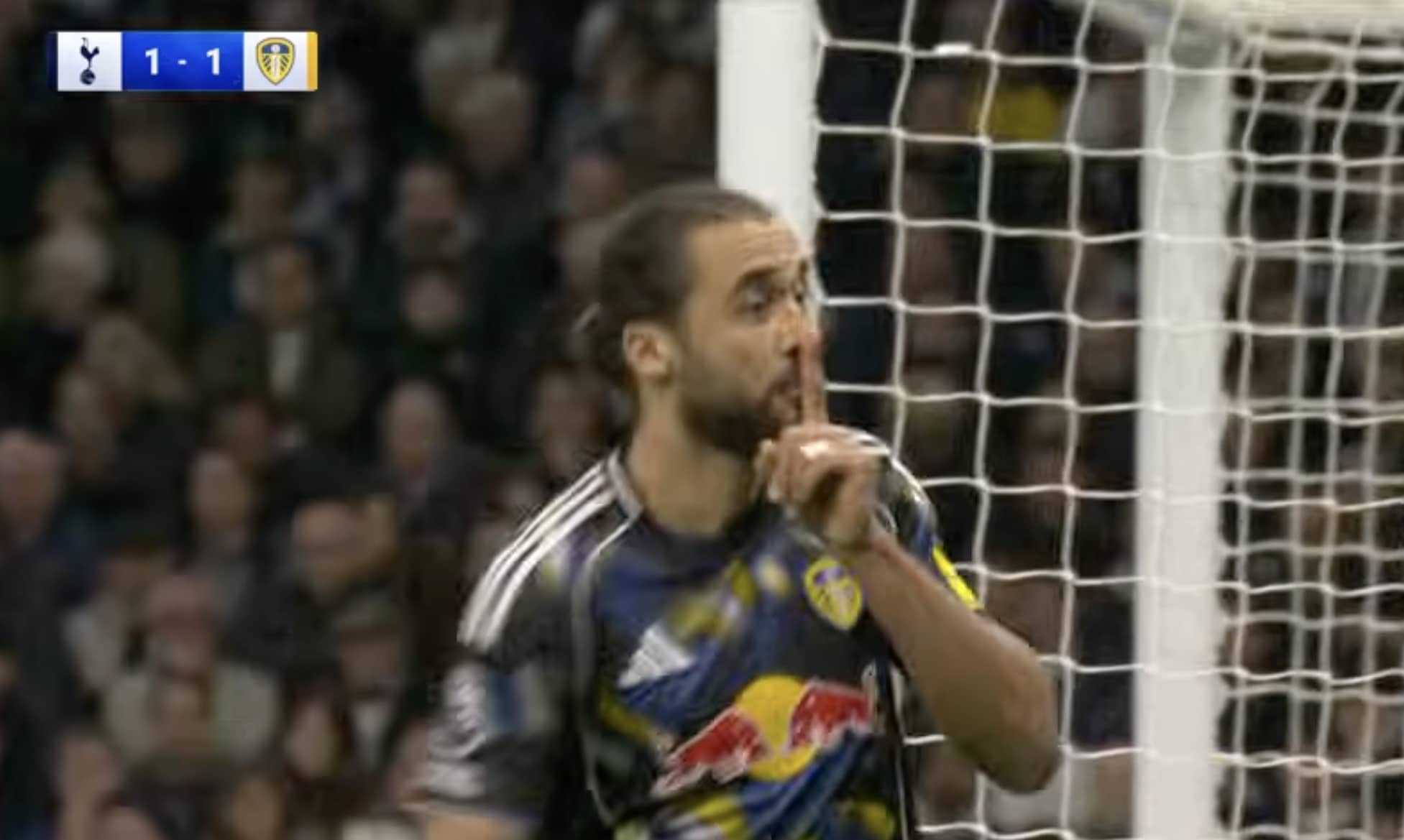
Without clinical efficiency in front of goal, Tottenham remained exposed to a single moment of volatility. For a young squad still finding its technical footing, pressure often leads to poor decision-making. The equalizer stemmed from an erratic attempt to clear a corner via a bicycle kick, which led to a collision with Leeds’ Ethan Ampadu. Whether the contact was severe or not, such high-risk actions in the box are frequently punished at this level.
In the closing stages, the match—and perhaps Tottenham’s season—felt left to chance. A late save by Kinsky against Sean Longstaff kept Spurs level, but the uncertainty remains. Tottenham must now watch the results of Chelsea and Everton, who may still be motivated by the prospect of European football. Meanwhile, West Ham remains a threat if they can replicate their recent form.
Summary of Tottenham’s Survival Hopes
While the draw against Leeds feels like a missed opportunity to put the relegation conversation to bed, the result remains more favorable than West Ham’s recent slip-ups. Tottenham has shown clear signs of tactical improvement and a renewed energy in their pressing game, but their lack of a consistent goal-scoring threat makes the final weeks of the season a high-stakes gamble. The club’s Premier League future now hinges on finding a balance between their new controlling style and the clinical edge required to close out games.