





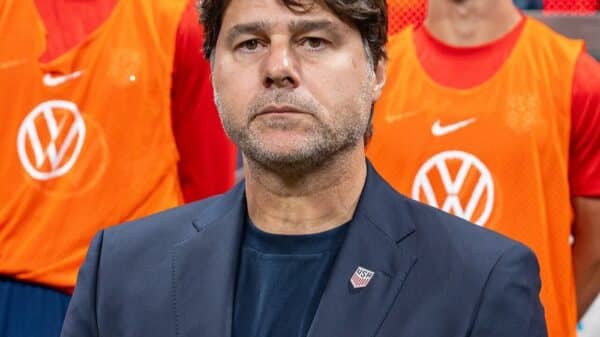
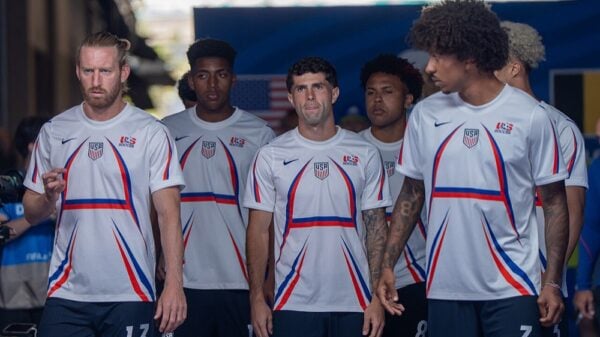
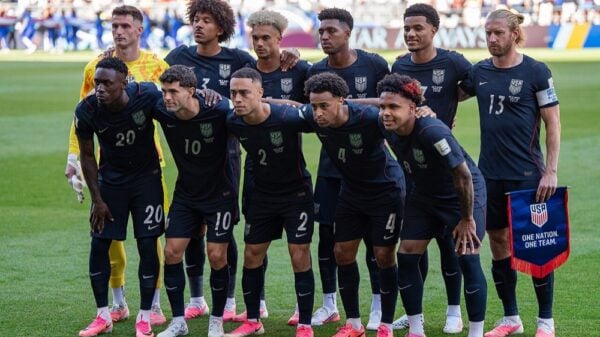







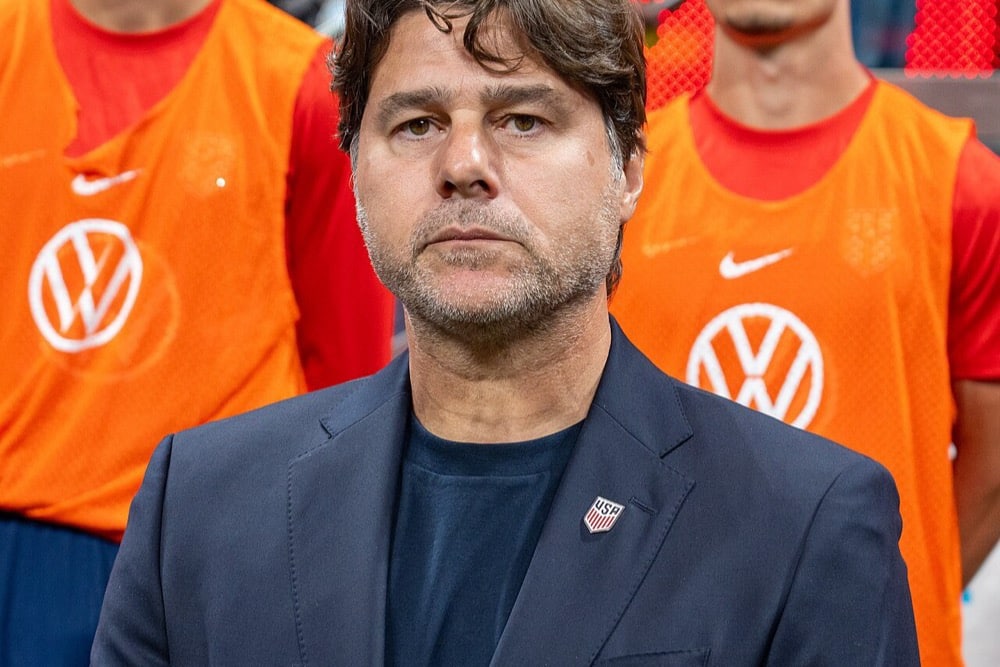
Mauricio Pochettino leaves behind a complex legacy as he prepares to lead the United States men’s national team for his final two fixtures. Elevating the baseline expectations for U.S. Soccer is frequently cited as his primary achievement, yet his tenure features noticeable contradictions. His record of 1.91 points per game ranks third among managers with more than 10 matches at the helm, trailing only Gregg Berhalter and Bruce Arena. However, he is also the first permanent boss since Steve Sampson to depart without securing a Concacaf trophy, following tournament exits in both the Gold Cup and Nations League. Even so, the program appears to be in a stronger position than when he arrived, aided significantly by structural work from U.S. Soccer and former sporting director Matt Crocker. This nuanced track record will remain incomplete until his final matches against Haiti conclude.
If the circumstances surrounding his exit overshadow on-field displays, it risks undermining the meaningful progress he achieved in integrating younger prospects into the team. The USMNT exited the World Cup in the round of 16—identical to their 2022 result—leaving lingering doubts regarding their competitiveness against elite global opponents. Looking forward, the upcoming 2028 Olympics, a new national training facility designed to house senior and youth squads together, and strengthened player pathways through MLS Next and MLS Next Pro ensure the program is structurally sound regardless of leadership. This stability makes evaluating the next strategic phase vital.
Broadcast and Streaming Guide: Haiti vs. USMNT
Date: Saturday, Nov. 14 | Time: 4:30 p.m. ET
Location: Nu Stadium — Miami, Florida
TV: TNT
Live stream: HBO Max
Odds: Haiti +750; Draw +440; USMNT -350
Evaluating the Appeal of the USMNT Head Coaching Role
U.S. Soccer CEO JT Batson emphasized the attractiveness of the position, noting the blend of an experienced core and a dynamic emerging player pool. Pointing to the recent gathering where the senior staff and players observed the U-20 squad at the national training center, leadership remains focused on recruiting figures capable of achieving major tournament ambitions, including success on the global stage.
U.S. Soccer continues discussions to appoint a director of soccer to collaborate with the incoming manager, USWNT head coach Emma Hayes, and organizational staff to establish a unified blueprint. Given the rapid expansion of soccer stateside, the position remains highly desirable even without the immediate backdrop of hosting a men’s World Cup. The ambition to target elite international managers highlights the elevated status of the program.
Analyzing Pochettino’s Unfinished Chapter
Pochettino’s contributions do not negate the distinct stamps left by previous managers. Jurgen Klinsmann established international credibility and brought in German-American talents, while Gregg Berhalter raised the baseline performance, excelled in dual-national recruitment, and guided the team out of the group stage in Qatar. While some argue a parting of ways could have occurred sooner, player desire for continuity prevailed.
Similar debates surround Pochettino’s contract trajectory, though swift high-profile opportunities altered the timeline. Had his departure coincided with a post-Olympic cycle in 2028 following the U-23 squad’s progression under Steve Cherundolo, the exit might have felt more conclusive rather than abruptly halted.
Sustaining the Standard Established by Poch
Pochettino successfully instilled a high-intensity pressing mentality and a renewed sense of confidence, traits highlighted by younger team members. Forward Folarin Balogun noted that the Argentine transformed player mindsets by treating every camp and match with a tournament-winning intensity, leaving the squad with the responsibility to maintain those professional benchmarks moving forward.
Although the conclusion of his tenure brought visible disappointment, the foundational improvements provide a solid platform for a successor. With Steve Cherundolo managing the upcoming December camp, the federation has adequate time to secure the right appointment. Demonstrating the capability to attract a manager of Pochettino’s stature proves that U.S. Soccer can sustain high-level competitiveness.
Ultimately, achieving long-term sustainability means building a system where success is driven by institutional strength and youth development rather than relying entirely on individual coaching tenures—a necessary step toward ultimate World Cup contention.